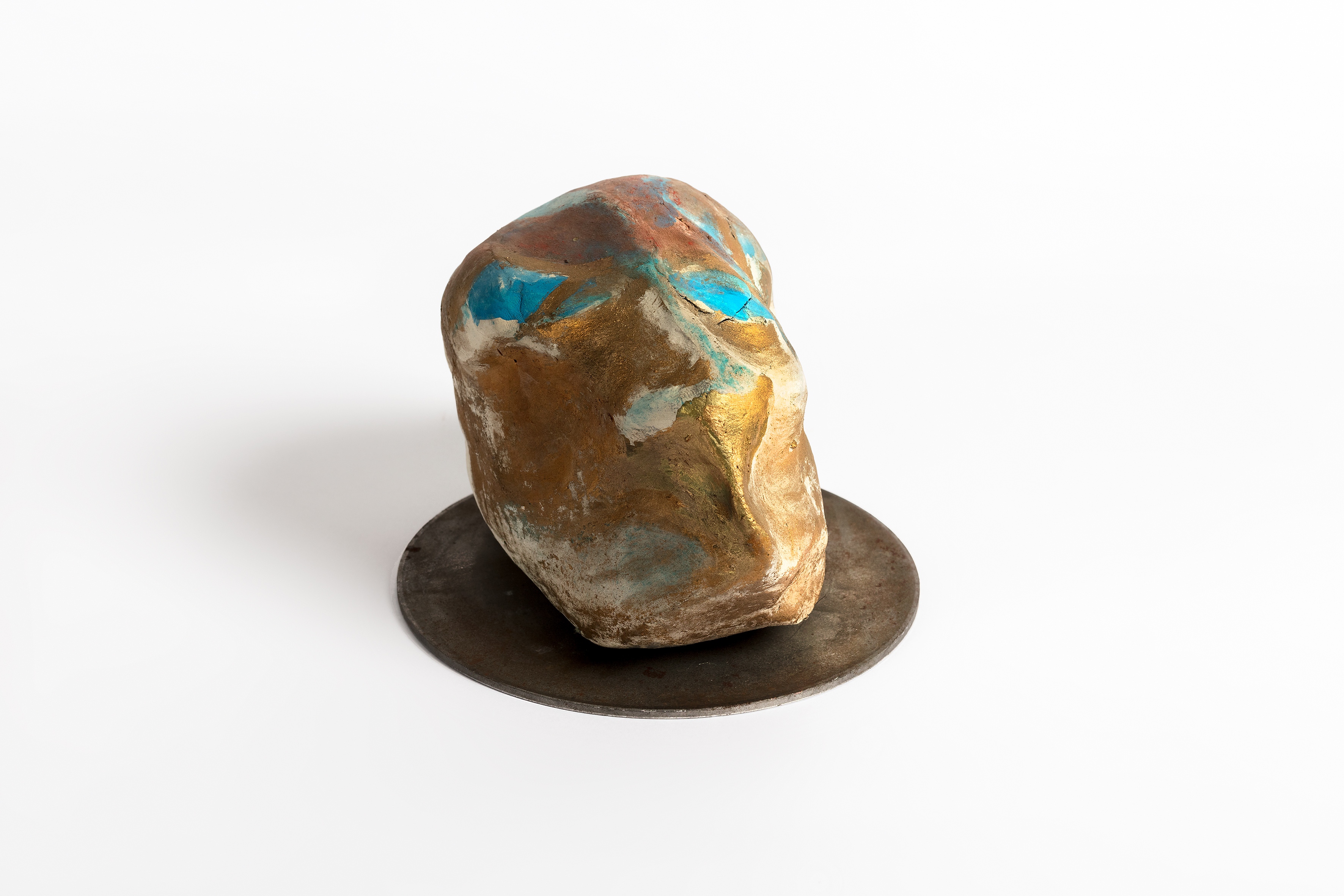
Interferences #7: Marisa Merz
28.10.2026 - 04.04.2027
Opening: 28 October, 4–8pm
Fondazione Cerruti presents Interferences #7: Marisa Merz on the occasion of the exhibition Marisa Merz – La danza delle ore at Castello di Rivoli Museo d’Arte Contemporanea, Fondazione Merz, and GAM – Galleria Civica d’Arte Moderna e Contemporanea in Turin, which celebrates the centenary of Marisa Merz’s birth with an unprecedented retrospective.
The Interferences programme introduces works by contemporary artists into the rooms of the Cerruti Collection, generating “creative disturbances” and sparking unexpected dialogues between historical heritage and the present. The programme unfolds in dialogue with exhibitions at Castello di Rivoli Museo d’Arte Contemporanea and other institutions, as well as with the themes explored in Fondazione Cerruti’s Journals of Physics and Metaphysics. Through artistic interventions and exchanges of works, it also brings the Cerruti Collection beyond the walls of the Villa.
Interferences #7 brings two works by Marisa Merz to the Cerruti Collection: a sculpture (Untitled, n.d.) and a work on paper (Untitled, 2010–2012). These works enter into dialogue with the Villa’s interiors and Francesco Federico Cerruti’s collection, creating new connections and resonances between materiality and contemporary art. In parallel, Agnolo Gaddi’s Announcing Angel, Redeemer, Virgin Annunciate (1387–88), on loan from the Cerruti Collection, will be featured in the Marisa Merz retrospective at Castello di Rivoli Museo d’Arte Contemporanea.
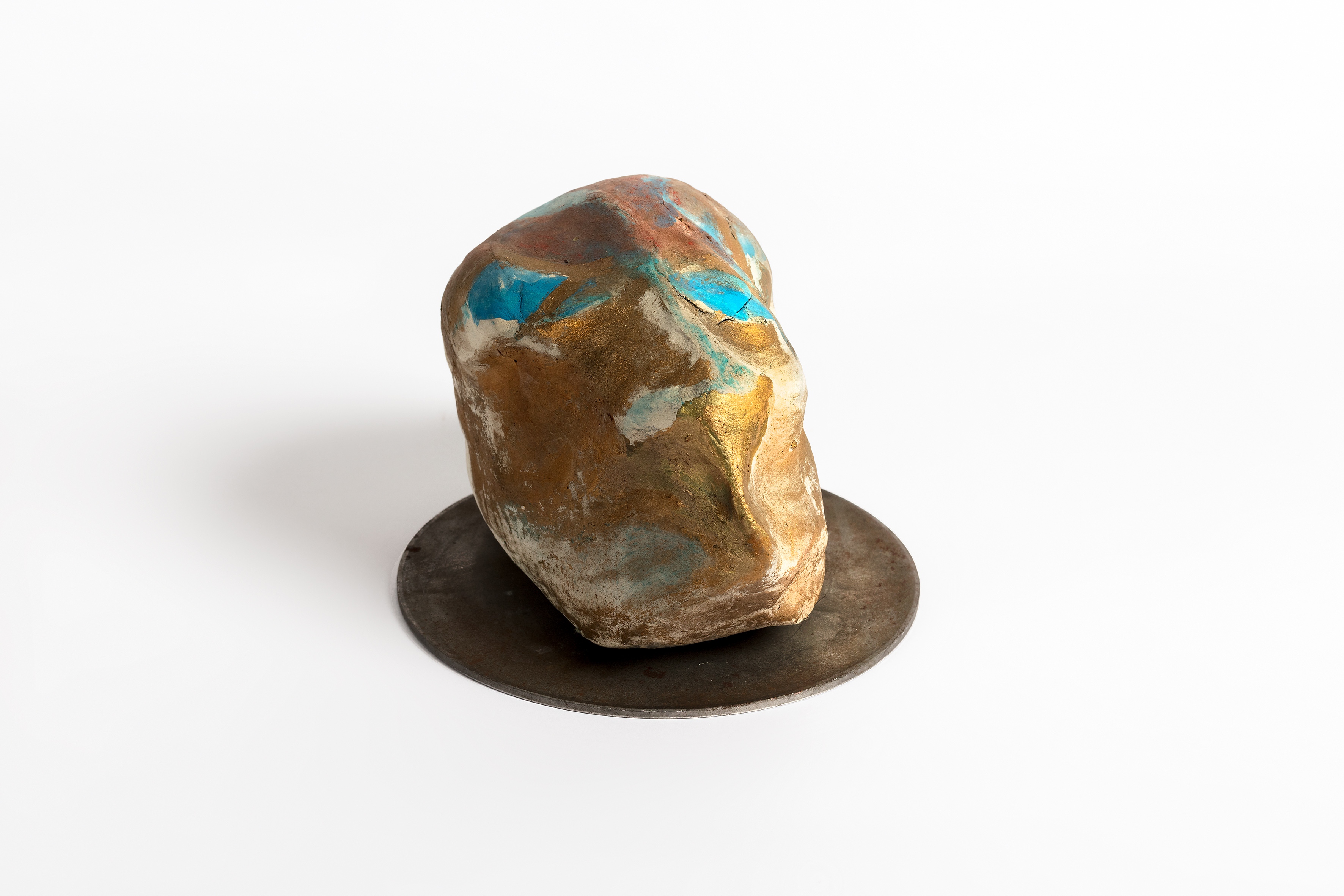
Marisa Merz, Untitled, n.d. © Fondazione Merz. Courtesy Thomas Dane Gallery.
Marisa Merz was one of the most original figures in Italian art of the second half of the twentieth century. She began her artistic career in the 1960s with her Living Sculptures, mobile structures made from sheets of aluminium, and became associated with the Arte Povera movement towards the end of the decade, while developing a distinctly independent artistic practice. In her work, industrial and domestic materials, traditional craft techniques and everyday gestures intertwine across sculpture, installation, drawing and painting, often blurring the boundaries between private and exhibition spaces. From the mid-1970s, the human face and figure became central to her practice, particularly in her celebrated heads made from clay, plaster and wax. Her work has been presented in numerous editions of the Venice Biennale and at documenta, as well as at international institutions including the Centre Pompidou, Stedelijk Museum, Serpentine Gallery and Metropolitan Museum of Art. In 2013, she was awarded the Golden Lion for Lifetime Achievement at the Venice Biennale.